
Water Pumps
Pump Applications
The same pump family may serve very different systems. Application details determine the appropriate construction and operating point.
Where pumps work
Application Changes the Required Pump
.jpg)
Industrial / Factory
End-suction and process pumps support cooling, washdown, circulation, and continuous production duties.
.jpg)
Commercial Building
Booster sets and building-service pumps support water pressure, HVAC circulation, drainage, and service water.
.png)
Residential
Compact home pumps and pressure-tank systems support household supply, transfer, and pressure boosting.
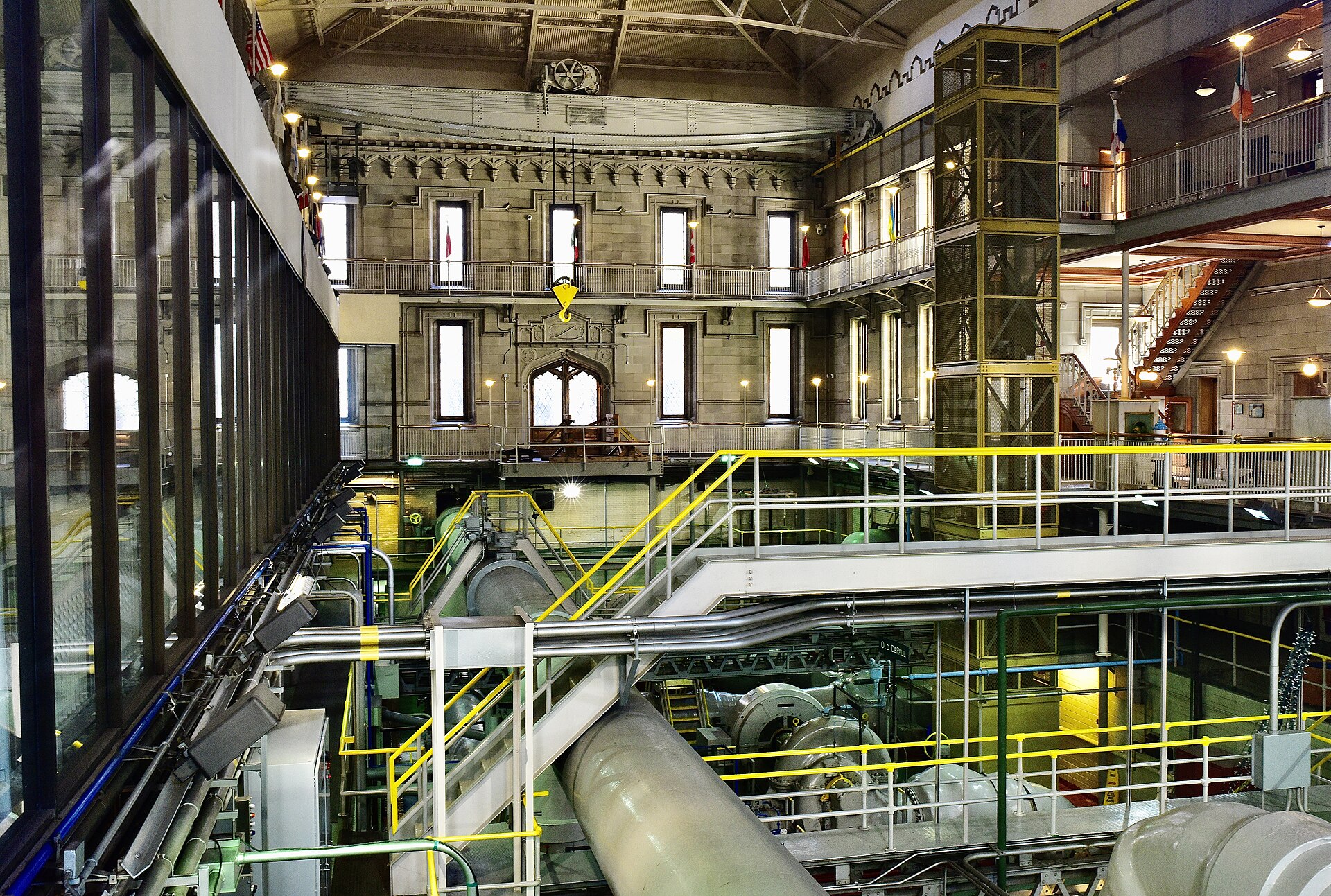
Municipal / Large Volume
Large stations move raw water, supply distribution networks, and support flood or wastewater duties.
Key takeaways
What to Know
Scan the main ideas first. Open “Key points” only when you want the supporting details.
Swipe the cards to continue
Industrial and Factory Use
The industrial end-suction pump represents equipment selected for repeatable service in production environments. Factory duties can include process-water transfer, cooling circuits, washdown, boiler feed, chemical handling, and wastewater movement.
Key points 3
- Continuous operation may justify duty/standby redundancy
- Materials and seals must match temperature, chemistry, and solids
- Maintenance access and production downtime are important selection factors
Commercial Buildings
The booster-pump image represents packaged sets that maintain usable water pressure as building demand changes. Commercial systems can also include HVAC circulation, cooling-tower, drainage, fire-service, and domestic-water pumps.
Key points 3
- Multiple pumps can stage on and off to follow demand
- Variable-speed controls can stabilize pressure and reduce unnecessary energy use
- Controls, pressure vessels, valves, and sensors are part of the complete system
Residential Systems
The compact domestic pump represents household pressure boosting, tank transfer, garden irrigation, and other intermittent clean-water duties. Home systems usually prioritize simple automatic control, compact size, acceptable noise, and accessible maintenance.
Key points 3
- Confirm whether the inlet is a tank, well, or pressurized supply
- Protect against dry running and rapid repeated starts
- Size storage and pressure controls to the household demand pattern
Municipal and Large-Volume Duties
The pumping-station image shows the scale of pipework and equipment used for raw-water intake, treatment works, distribution, flood control, or wastewater movement. These installations often use several large pumps and coordinated control systems.
Key points 3
- System reliability, redundancy, surge control, and energy efficiency are major concerns
- Civil works and pipe layout influence the pump selection
- Monitoring and planned maintenance support long-term service
Why Application Context Matters
Two pumps with similar connection sizes can be unsuitable for each other’s duties. The required flow and head, water condition, operating hours, control method, environment, regulations, and service strategy must be considered together.
Key points 3
- Connection size alone does not define hydraulic or mechanical suitability
- Duty cycle, liquid condition, environment, and controls affect the selection
- Service access, regulations, and long-term support belong in the final review